November 11, 2026
Keeping Work Trailers Reliable with Regular Bearing Care
By @thetrailernotebook
Why Bearing Care Matters for Work Trailers
For anyone who relies on a trailer day in and day out, a breakdown on the road is more than an inconvenience. It can mean lost work, missed deadlines, and costly repairs. Among the many components that keep a trailer rolling safely, the wheel bearings are one of the most critical. Yet they are also one of the easiest to overlook. Regular trailer bearing maintenance is what separates a trailer that lasts for years from one that fails at the worst possible moment.
Work trailers face harsh conditions. They haul heavy loads over long distances, often on rough roads or construction sites. Dust, mud, water, and road salt all take a toll on the hub assembly. Bearings that are not properly greased or adjusted generate heat, which can lead to a seized wheel or even a fire. Understanding how bearings work and what they need is the first step toward keeping your trailer in service and your schedule on track.
What Wheel Bearings Do and How They Work
Wheel bearings sit inside the hub, allowing the wheel to spin freely on the axle. They consist of a set of precision-ground steel rollers held in a race, packed with grease to reduce friction. The grease also protects the metal surfaces from moisture and dirt. When the bearings are in good condition, the wheel turns smoothly with minimal resistance. When they start to wear, friction increases, heat builds up, and the grease breaks down. Once the grease loses its ability to lubricate, metal grinds against metal. That is when you hear a growling or squealing sound, and failure is not far behind.
Most trailer hubs use two bearings per wheel: an inner bearing and an outer bearing, separated by a spindle. A grease seal keeps the inner bearing in place and prevents grease from leaking onto the brake lining. A nut and cotter pin or a locking washer secure the outer bearing. Proper adjustment means the nut is tight enough to remove play but not so tight that it squeezes the bearing against the race. Too much preload causes overheating; too little allows the wheel to wobble, which also damages the bearing.
Signs That Bearings Need Attention
Knowing what to look for can save you from a roadside emergency. One of the most obvious signs is unusual heat. After a short trip, touch the hub with the back of your hand. If it is too hot to hold for more than a few seconds, the bearings are likely running dry or are over-tightened. Another sign is noise. A low growl or a chirping sound when you turn the wheel by hand means the bearing surface is damaged. Wobble or excessive play in the wheel indicates that the nut has loosened or that the bearing has worn out past its useful range.
Grease leaks are also a red flag. If you see grease on the outside of the hub or on the brake drum, the grease seal has failed. That lets contaminants in and grease out. In wet conditions, water can enter the hub and cause corrosion, which rapidly destroys the bearing surface. Any of these signs means it is time to pull the hub, inspect the bearings, and repack or replace them.
The Role of Grease Fittings and Regular Lubrication
Many trailer hubs come equipped with grease fittings, also called Zerk fittings, that allow you to add grease without removing the wheel. These are a convenience, not a replacement for a full bearing repack. Squeezing fresh grease into the hub pushes old grease out and forces any moisture or grit past the seal. That can be useful between major services, especially if the trailer runs in wet or dusty environments. But relying solely on the grease fitting means you never see the condition of the bearing itself. You cannot inspect for pitting, spalling, or corrosion through a grease gun.
A more thorough approach is to pull the hub on a regular schedule. For a frequently used work trailer, that means at least once a year or every ten to twelve thousand miles, whichever comes first. During that service, you clean all old grease from the hub and the bearings, inspect both surfaces for damage, and pack fresh grease into every crevice. You also check the grease seal for wear and replace it if it feels loose or has a damaged lip. This is also a good time to perform a torque inspection on the spindle nut and to verify that the cotter pin is in good shape.
Beyond Bearings: Related Checks That Keep a Trailer Roadworthy
While you have the wheel off, it makes sense to look at several other items that contribute to safe towing. Tire pressure should be checked and brought to the recommended level. Underinflated tires heat up faster and can blow out, especially under heavy loads. Overinflated tires reduce traction and wear unevenly. The tire tread should also be inspected for cuts, bulges, or uneven wear patterns that might indicate a bent axle or a suspension problem.
The leaf springs and other suspension components should be checked for cracks, sagging, or broken leaves. A broken spring can cause the trailer to lean to one side, putting extra stress on the opposite bearing. The wiring harness, particularly the lighting and brake connections, should be inspected for chafed insulation or corroded terminals. Corrosion on electrical contacts can cause intermittent failures that are hard to diagnose on the road. A quick look at the brake lining will tell you whether the brakes have enough material left or if they are rubbing against the drum unevenly, which can also generate heat and affect bearing life.
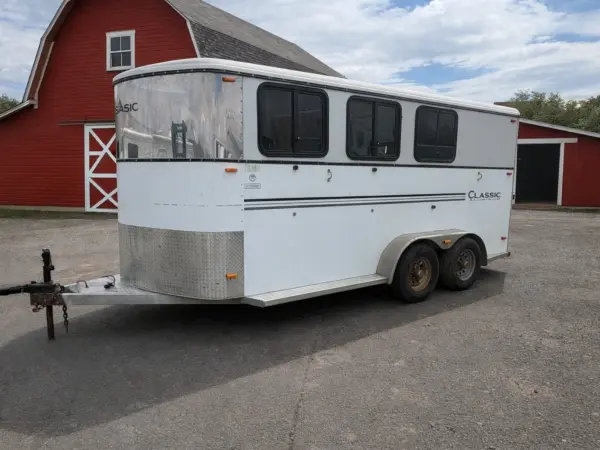
When you combine all these checks into a single routine, you get a clear picture of your trailer's overall condition. That is what good trailer maintenance looks like in practice. It is not just about one part; it is about understanding how the whole system works together. A well-maintained hub assembly, properly adjusted brakes, and healthy tires mean you can tow with confidence.
Practical Tips for Extending Bearing Life
One of the simplest things you can do is to back off the brake adjustment slightly after washing the trailer. Water can get inside the brake drum and cause the shoes to stick. That creates drag, which heats up the hub and dries out the grease. If you have a trailer that sits for a week or more between uses, it is a good idea to jack it up and spin each wheel by hand before a trip. This lets you feel for any roughness or binding before you get on the road.
Another judgment call is how often to repack bearings based on the load you carry. Heavier loads put more force on the bearing surfaces, particularly during turns. If you regularly haul near the trailer's maximum capacity, you should plan for more frequent bearing service. The same goes for trailers that run in extreme heat or extreme cold. High temperatures thin the grease and accelerate oxidation. Cold temperatures thicken the grease, making it harder for the bearings to get lubrication during the first few miles.
Choosing the right grease matters too. A high-temperature lithium-complex grease is a common choice for trailer bearings because it resists breaking down under heat and repels water. Some greases are labeled for use with both standard and electric brake hubs. Always check the manufacturer's recommendation, and never mix different types of grease. Incompatible greases can separate and lose their lubricating properties.
What Regular Bearing Maintenance Means for You
For the owner or operator of a work trailer, staying on top of bearing care translates directly into fewer unplanned stops and lower repair costs. A set of bearings and a grease seal cost a fraction of what a full hub replacement or a roadside tow runs. More importantly, a bearing failure at highway speed can cause a wheel to come off, leading to a serious accident that puts people and property at risk. That is not something you gamble with when a simple inspection can catch the problem early.
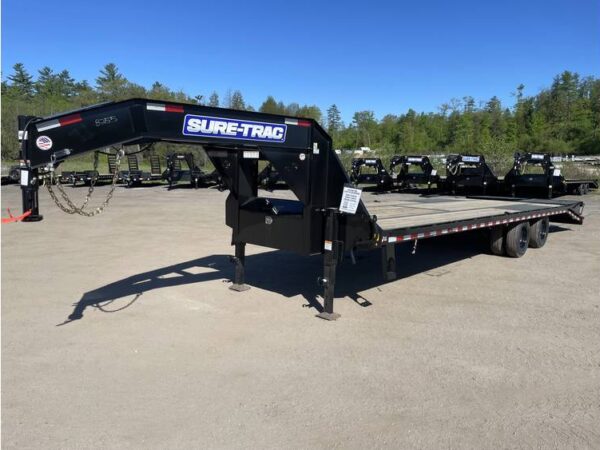
When you make bearing checks a regular part of your routine, you also build a habit of paying attention to the rest of the trailer. The same time spent pulling a hub gives you a chance to inspect the brake lining, check the wiring harness for chafing, and verify that the leaf springs and suspension bolts are tight. Over time, that kind of thoroughness becomes second nature, and the trailer becomes more predictable. You know what condition it is in before you hitch it up and head out.
In the end, trailer bearing maintenance is not a complicated job. It requires basic tools, a clean workspace, and a willingness to get a little grease on your hands. But the payoff is real: a trailer that starts every trip ready to work, with less chance of a breakdown and a longer service life. For anyone who depends on a trailer to get the job done, that peace of mind is worth the effort.
❧